
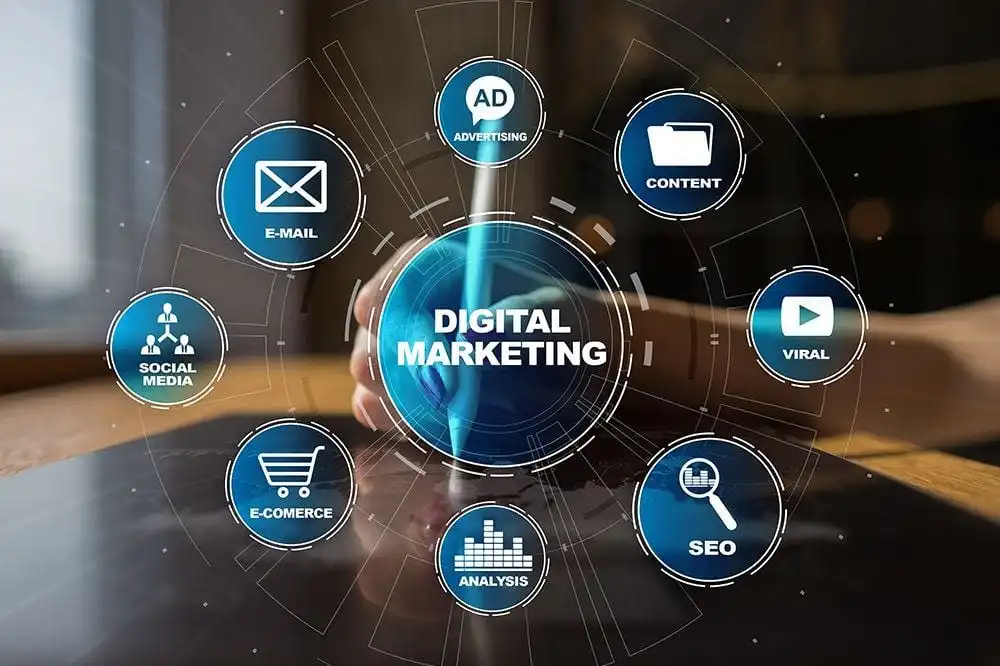
Remember when a catchy Facebook post and a well-placed Google Ad could reliably fill your funnel? When SEO was a game of keywords and backlinks, and email blasts felt like cutting-edge outreach? For a while, it felt like we had cracked the code. A set of established digital marketing rules governed the digital landscape, promising predictable returns for those who followed them.
But if you’ve felt the ground shifting beneath your campaigns lately, you’re not imagining it. The algorithms are in constant revolt, audiences have grown weary of interruption, and the very definition of “engagement” is transforming. The playbook we relied on for the past decade is becoming obsolete, not because the fundamentals of connection and value have changed, but because the digital ecosystem and the people within it have evolved at a breathtaking pace.
In this blog, we’re diving into the seismic forces dismantling the old guard of digital marketing. From the death of the third-party cookie and the rise of privacy-first browsing, to the demand for raw authenticity over polished perfection and the disruptive intelligence of AI, we’ll explore why the rules are changing, and what it means for every brand, creator, and marketer trying to be heard in a newly crowded and skeptical digital world.
Forget just keeping up. It’s time to understand the revolution. Let’s explore what’s ending, what’s emerging, and how to not just adapt, but lead in the new marketing paradigm.
The Decline Of Traditional Ads: Why Interruption Is Failing
Around 40% of internet users globally use ad‑blocking software to avoid ads that feel intrusive. In fact, we’ve all become professional ad-avoiders. Banner blindness? Standard. Skipping a YouTube pre-roll ad the millisecond the button appears? A reflex.
The old rule was: go where the eyes are and interrupt. Buy attention through placements and impressions. But this model is crumbling for two big reasons:
- Ad Fatigue & Skepticism: Consumers are exposed to thousands of marketing messages daily. They’ve developed a powerful immune system. Overt sales pitches and generic “buy now!” messages are now met with instant skepticism or, worse, annoyance.
- The Rise of Ad-Blockers & Paid Experiences: From browser plugins to premium subscriptions (think Netflix, YouTube Premium, Spotify), people are actively paying to avoid ads. This signals a massive shift in value: consumers value their attention and experience more than “free” ad-supported content.
Even when ads do appear, trust is low. Research shows that only about one-third of consumers believe digital ads are honest.
The brute-force method of buying attention is losing power. It’s no longer enough to just be seen; you must be welcomed. Marketing is shifting from interruption to invitation.
Because of this decline, digital marketing rules now favor relevance over reach. Content, search visibility, and experience‑driven strategies carry more weight than raw impressions. Digital Osmos builds growth systems that reduce overreliance on traditional ads by pairing paid efforts with SEO, content, and conversion‑focused experiences that people actually want to engage with.
Changing Consumer Trust And Attention: The New Currency
If trust in flashy ads is down, where is trust going? The answer has fundamentally changed the marketing game.
The old rule was: build brand authority with polished messaging and broad reach.
The new reality is: trust is earned through authenticity, community, and peer validation.
- The Authenticity Imperative: Consumers, especially younger generations, can spot a corporate facade from a mile away. They crave real stories, behind-the-scenes looks, unpolished moments, and brands that stand for something beyond profit. A TikTok video shot on a phone can outperform a high-budget commercial if it feels genuine.
- The Community & Creator Shift: Trust has decentralized. People trust recommendations from peers, niche online communities (like subreddits or Discord servers), and relatable creators/influencers far more than they trust a brand’s official spokesperson. Your brand’s most powerful advocate might not be on your payroll.
At the same time, people want personalized experiences. 71% of consumers expect companies to deliver personalized interactions. Your marketing needs to foster connection, not just broadcast messages. Invest in building real relationships and enabling your community to speak for you.
Digital Osmos approaches trust as a long‑term growth driver, helping brands align messaging, data practices, and customer experience so attention is earned, not forced.
Non-Linear Customer Journeys: The End of the Straight Line Funnel
Forget the classic “funnel”… that tidy, linear path from awareness to consideration to purchase. It’s an oversimplification that no longer reflects reality.
In the good old days, you only had to guide the customer step-by-step down a predictable funnel, and your job as a marketer was done. But now, together you are navigating a chaotic, looping “messy middle.”
Customer journeys no longer follow a straight line. People don’t always convert the first time they interact with a brand. A customer might see a friend’s Instagram Story, read a scathing Reddit thread about your product, watch a YouTube tutorial comparing you to a competitor, visit your site, leave, see a retargeting ad, and then finally buy after googling a discount code. Their journey is a web of touchpoints across multiple devices and platforms, driven by intent-driven micro-moments.
Third‑party tracking is fading, and many marketers are adapting. Around 75% of marketers are shifting to contextual targeting and first‑party data strategies as third‑party cookies depreciate.
These non‑linear behaviors force a rethink of digital marketing rules around attribution and measurement. Last‑click models no longer tell the full story. Visibility, consistency, and value across touchpoints matter more.
You can’t control the journey, but you can be present and helpful at every possible touchpoint. Your content and messaging must be cohesive and valuable across all channels, ready to serve someone whether they’re in research mode, social browsing, or ready to buy.
Digital Osmos designs systems that support these realities. SEO, content, email, and paid media are aligned so each interaction builds familiarity and trust over time. Instead of chasing isolated conversions, the focus stays on sustained growth that reflects how people actually make decisions.
Technology And Search Are Reshaping Visibility
Search behavior has changed quietly but significantly. This is where the rulebook is being ripped up and rewritten the fastest.
- AI & Personalization: Tools like chatbots and AI-driven content are moving beyond gimmicks. They allow for hyper-personalized experiences at scale. The rule is shifting from segment-based marketing (e.g., “women 25-34”) to individual-based marketing, where each interaction can be tailored in real-time.
- The Search Revolution: Google Search is no longer just a list of blue links. With AI Overviews (SGE), rich snippets, and “zero-click” searches, the goal is to answer a query directly on the results page. The old rule of “get the #1 ranking” is evolving into “win the featured snippet” or “provide the definitive answer” that the AI will source and quote.
- Voice & Visual Search: “Hey Siri, find me a plumber near me.” Searching with a photo of a plant to identify it. These behaviors require a whole new approach to SEO based on natural language and image optimization.
People ask questions in natural language, often through voice or AI‑powered search experiences. This affects how content is discovered and ranked. It’s no longer just about placing keywords. It’s about answering intent clearly and usefully.
AI‑driven tools are reshaping marketing workflows, from campaign optimization to content production. These tools improve efficiency, but they also introduce new expectations around accuracy and ethics. As a result, digital marketing rules increasingly reward depth, clarity, and relevance over volume.
Embrace the tools, but focus on the human intent behind them. Optimize for answers, context, and seamless, personalized experiences. Your technical strategy needs to be as dynamic as the technology itself.
What This Means For Your Strategy
All of these changes point in the same direction.
Digital marketing rules now favor brands that respect privacy, understand fragmented journeys, and invest in long‑term visibility. Quick wins still exist, but they are harder to sustain without strong foundations.
The new landscape is more exciting and relationship-driven. Here’s how to pivot:
- Shift from Advertising to Value-Creation: Invest in content that educates, entertains, or solves a problem before it sells. Become a trusted resource.
- Build, Don’t Just Broadcast: Prioritize community building (on your own platforms like a dedicated group or forum) and nurture relationships with micro-influencers and creators who share your values.
- Map the Messy Middle: Audit all the places your customers might encounter you. Ensure your presence is helpful and consistent everywhere, from search and social to review sites and communities.
- Embrace Agile Adaptation: Commit to testing, learning, and iterating. What works on TikTok might flop on LinkedIn. Stay curious, use data, and be willing to pivot quickly.
- Double Down on First-Party Data: With the death of third-party cookies, the data you collect directly from your audience (via email signups, surveys, purchases) is your most valuable asset. Nurture those direct relationships.
We help businesses adapt by building strategies around first‑party data, modern SEO, meaningful content, and customer‑focused systems. The goal is not to chase every platform change, but to create resilience as the landscape continues to shift.
Conclusion: It’s Time to Play a New Game
The changing digital marketing rules aren’t a cause for panic; they’re a call to action. The era of one-size-fits-all, interruptive, broadcast marketing is giving way to something more human, more dynamic, and ultimately, more effective.
This new paradigm rewards brands that are authentic, helpful, and adaptable. It asks us to be participants in communities, not just promoters to audiences. It challenges us to use technology to create genuine connections, not just automate spam.
So, close the old playbook. Stop trying to follow outdated rules. Instead, focus on the timeless principles that now matter more than ever: building trust, providing exceptional value, and fostering real human connection. The brands that do this won’t just survive the revolution, they’ll lead it.